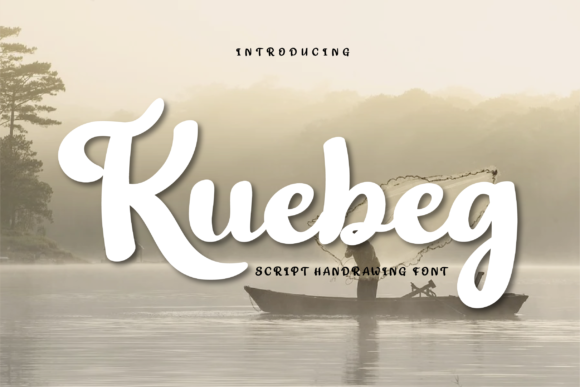
Discover Kuebeg: A Fun and Versatile Handwritten Font
I recently had the pleasure of testing Kuebeg in a real branding project, and I must say, it's a delightful addition to any designer's toolkit. This casual, fun handwritten font, created with a brush pen, brings a unique and lively touch to a wide range of design projects.
The Visual Charm of Kuebeg
When I first opened my design software and started sketching out ideas for a new café identity, I knew I needed a font that would capture the warm, inviting atmosphere of the place. Kuebeg, with its playful yet elegant strokes, fit the bill perfectly. The brush pen style gives it a natural, handcrafted feel, making it ideal for creating a friendly and approachable brand image.
Kuebeg in Logo Design
One of the first things I tested was how Kuebeg would look as a logo. The fluid, expressive lines of the font made it stand out, especially when used for the café's name. It added a personal, almost artisanal touch, which is exactly what the client was looking for. The readability was excellent, even at smaller sizes, though I wouldn’t recommend using it for very tiny text.
Branding and Packaging
Next, I moved on to the brand board and packaging mockups. Kuebeg’s versatility shone through here. It worked beautifully for the café’s menu, where the font’s charm and legibility made each item feel special. For the packaging, I used Kuebeg for product labels, and it added a touch of whimsy and uniqueness. The font’s personality was a perfect match for the café’s homemade pastries and artisanal coffee blends.
Social Media and Web Design
In today’s digital age, a font’s performance on social media and web design is crucial. Kuebeg did not disappoint. When I designed Instagram posts and Facebook banners, the font’s playful nature made the content more engaging and visually appealing. For the café’s website, I used Kuebeg for the header and key sections, and it helped create a cohesive and inviting online presence.
Font Pairing and Practical Tips
While Kuebeg is a standout on its own, it also pairs well with other fonts. For a balanced and professional look, I recommend pairing it with a clean sans serif font like Montserrat or a classic serif like Lora. This combination enhances the visual hierarchy and adds a touch of sophistication without losing the friendly vibe.
- Use Kuebeg for: Logos, headings, short phrases, social media graphics, and decorative elements.
- Avoid using Kuebeg for: Long body text, formal corporate documents, and small, detailed text.
Before finalizing any design, it’s always a good idea to test Kuebeg in different contexts. Print out some samples, see how it looks on a shop sign, and get feedback from others. This will help you ensure that the font works well across all your design assets.
Final Considerations
Lastly, don’t forget to check the commercial licensing for Kuebeg. This is especially important if you plan to use the font in client work, brand identity, packaging, templates, merchandise, websites, digital products, or print-on-demand products. Ensuring you have the right license will save you from any potential legal issues down the line.
In conclusion, Kuebeg is a fantastic choice for designers and businesses looking to add a touch of personality and creativity to their projects. Its unique, handcrafted style and versatility make it a valuable addition to any design toolkit. Whether you’re working on a café identity, a wedding invitation, or a social media campaign, Kuebeg is sure to elevate your designs to the next level.